


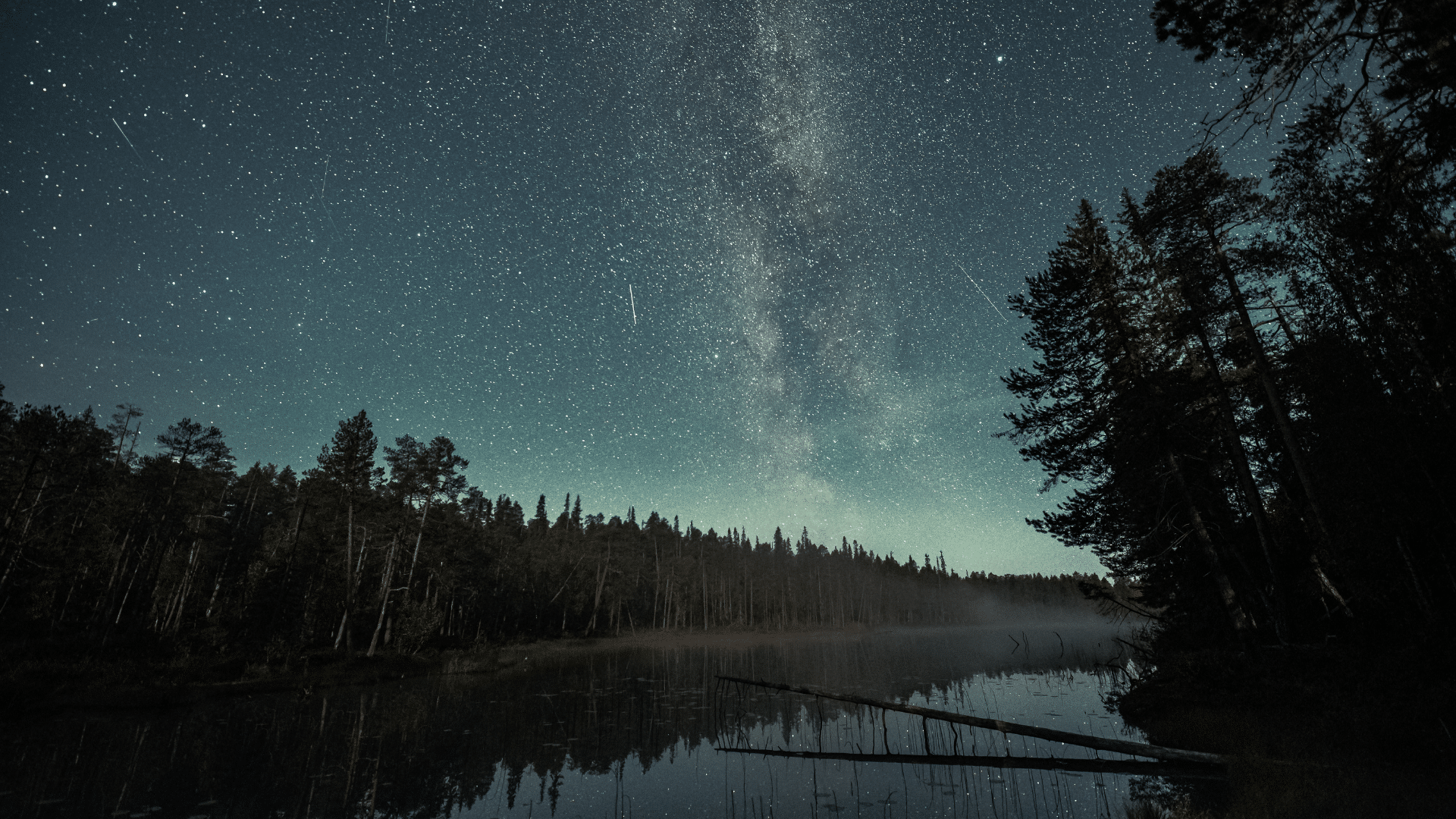



Environmental responsibility in Arctic tourism means protecting fragile northern ecosystems while providing authentic travel experiences. Arctic environments face unique vulnerabilities that require careful stewardship, making sustainable tourism practices important for preserving these wilderness areas for future generations. Understanding how responsible travel works helps you make informed choices about Arctic adventures.
What does environmental responsibility mean in Arctic tourism?
Environmental responsibility in Arctic tourism involves minimising impact on fragile northern ecosystems while maintaining authentic travel experiences. This means implementing sustainable practices that protect permafrost, wildlife habitats, and pristine wilderness areas from tourism-related damage.
Arctic environments present unique challenges that make environmental stewardship particularly important. Permafrost sensitivity means that even small disturbances can have lasting effects on the landscape. Vehicle tracks, infrastructure development, and increased foot traffic can disrupt these delicate systems for decades.
Wildlife habitats in northern Finland require special consideration during tourism activities. Arctic animals follow specific migration patterns and seasonal behaviours that tourism operations must respect. This includes timing activities to avoid critical breeding periods and maintaining appropriate distances during wildlife viewing experiences.
Extreme weather conditions also influence environmental responsibility practices. The short summer season concentrates tourist activities into limited timeframes, requiring careful visitor management to prevent overuse of popular areas. Winter activities must account for snow cover protection and seasonal ecosystem vulnerabilities.
Why are Arctic environments more vulnerable to tourism impact?
Arctic ecosystems recover extremely slowly from disturbances due to short growing seasons, harsh climate conditions, and fragile soil structures. What might heal quickly in temperate regions can take decades to restore in northern environments, making prevention particularly important.
Slow ecosystem recovery rates characterise Arctic regions because of limited growing seasons and extreme temperatures. Vegetation grows slowly, and damaged areas may show visible impacts for 20–30 years. This makes minimising initial disturbance more effective than attempting restoration after damage occurs.
Permafrost sensitivity creates additional vulnerabilities that do not exist in warmer climates. Heat from buildings, vehicles, and increased human activity can cause permafrost melting, leading to ground instability and landscape changes. Once permafrost thaws, the process often becomes irreversible.
Wildlife migration patterns concentrate animals in specific areas during certain seasons, making these locations particularly sensitive to tourism pressure. Disruption during critical periods such as breeding, feeding, or migration can affect entire populations rather than just individual animals.
The compressed tourism season intensifies these impacts by concentrating visitor numbers into short timeframes. Unlike destinations with year-round tourism distribution, Arctic regions experience peak usage during limited periods, potentially overwhelming local ecosystems’ capacity to absorb human presence.
How does responsible tourism actually protect the Arctic wilderness?
Responsible tourism protects Arctic wilderness through visitor management strategies, sustainable infrastructure design, and seasonal activity planning that minimises ecological disruption. These practices maintain ecosystem integrity while providing meaningful travel experiences.
Visitor management strategies include group size limitations, designated routes, and timing restrictions that prevent overuse of sensitive areas. By controlling when and how many people access specific locations, tourism operators can ensure natural recovery periods for ecosystems.
Sustainable infrastructure approaches
Infrastructure design considerations focus on minimal ground disturbance and reversible installations. This includes using elevated walkways to protect ground vegetation, temporary structures that can be removed seasonally, and heating systems that do not affect permafrost stability.
Waste management systems become particularly important in Arctic environments where decomposition occurs slowly. Responsible operators implement comprehensive waste removal, recycling programmes, and education about leave-no-trace principles to maintain pristine wilderness conditions.
Seasonal activity planning
Seasonal activity planning aligns tourism operations with natural cycles to minimise wildlife disruption. This involves scheduling activities outside critical breeding periods, using established trails during appropriate seasons, and adapting experiences to work with rather than against natural rhythms.
These sustainable practices also enhance visitor experiences by maintaining the authentic Arctic atmosphere that travellers seek. When you learn more about sustainable tourism practices, you understand how environmental protection and quality experiences support each other.
Experience authentic Arctic adventures with Tailored Adventures Rukapalvelu
We combine over 35 years of experience in the Ruka–Kuusamo region with comprehensive environmental responsibility practices. Our sustainable approach ensures authentic Arctic experiences while protecting the wilderness that makes these adventures possible.
Our Farnorth concept embodies “Closer than you think, wilder than you imagined” by providing genuine Arctic experiences through responsible tourism practices. This means respecting natural rhythms, supporting local ecosystems, and maintaining the pristine wilderness character that defines authentic northern adventures.
Sustainable adventure offerings
Our year-round activities follow environmental responsibility principles:
- Snowmobiling on designated routes that protect vegetation and wildlife habitats
- Husky and reindeer safaris timed to respect animal welfare and natural behaviours
- River floating experiences that work with natural water systems
- Aurora hunting activities planned to minimise light pollution and habitat disruption
- Summer hiking and canoeing using established trails and waterways
Eco-friendly accommodation and dining
From Hotel Arctic Zone to Portin Vartijan Maja wilderness villa, our accommodations use sustainable design principles that minimise environmental impact. Restaurant Zone serves locally sourced ingredients, reducing transportation emissions while supporting regional producers.
Our commitment extends to comprehensive waste management, energy-efficient operations, and infrastructure designed to protect permafrost and local ecosystems. Every aspect of your stay supports environmental responsibility without compromising comfort or an authentic Arctic atmosphere.
Ready to experience responsible Arctic adventures? Contact us to plan your sustainable Lapland journey that protects the wilderness while creating unforgettable memories in one of Europe’s last great wilderness areas.