


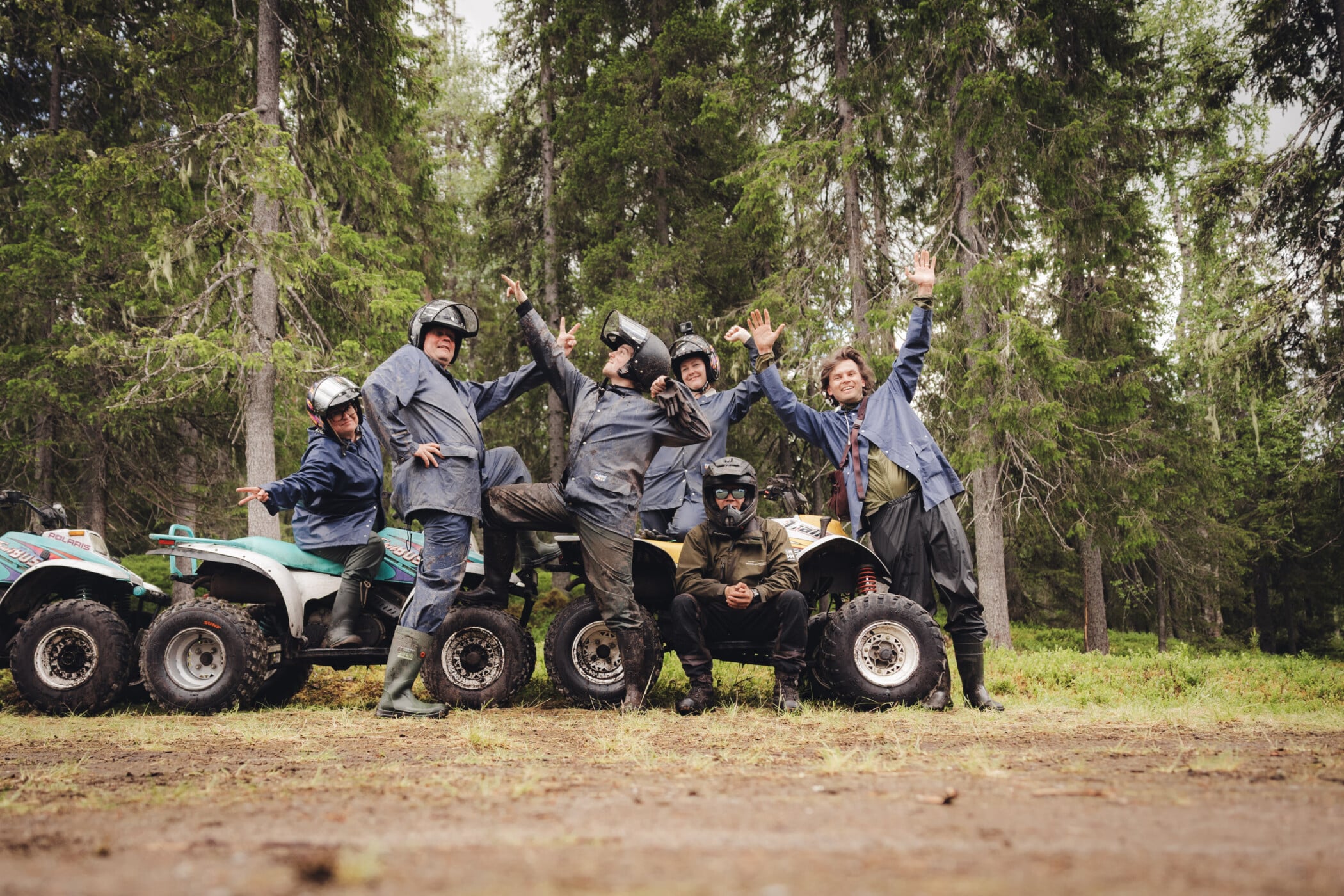



Wilderness survival experiences transform team-building activities by removing artificial structures and creating authentic challenges. Unlike office-based exercises, survival team building forces groups to rely on one another for safety and success in unpredictable natural environments. These outdoor team activities build genuine trust and develop practical skills that translate directly to workplace collaboration.
What makes wilderness survival experiences different from regular team-building activities?
Survival team building strips away workplace hierarchies and artificial scenarios, creating authentic problem-solving situations in which teams must collaborate to meet basic needs. When you’re building a shelter together or finding water in the wilderness, job titles become irrelevant and genuine personalities emerge.
The psychological impact of shared vulnerability in natural environments creates deeper connections than any conference-room exercise. Your team faces real consequences for poor decisions, making every choice meaningful. This authenticity forces people to communicate honestly and rely on one another’s strengths.
Group survival challenges also remove the safety net of familiar technology and resources. Without phones, computers, or modern conveniences, teams must work together using only their collective knowledge and creativity. This creates a level playing field where unexpected leaders often emerge.
Real consequences create genuine teamwork
In wilderness settings, poor communication or a lack of cooperation affects everyone’s comfort and safety. When your shelter leaks because the team didn’t coordinate properly, everyone gets wet. These immediate, tangible results teach lessons that stick far longer than role-playing exercises.
How do survival challenges actually build trust between team members?
Trust develops naturally in survival scenarios because team members must rely on one another for safety and success. When someone holds the rope while you cross a stream or shares their portion of food, you experience genuine dependability rather than simulated trust exercises.
Shared decision-making under pressure reveals authentic personalities and capabilities. You see how colleagues handle stress, make decisions, and support others when the stakes are real. This transparency builds respect and understanding that carries into workplace relationships.
Overcoming fears together creates particularly strong bonds. Whether it’s crossing challenging terrain or spending the night outdoors, conquering anxieties as a team generates mutual support and confidence that strengthens group dynamics.
Vulnerability strengthens connections
Wilderness team experiences create situations where everyone needs help at some point. The marketing director might excel at fire-making while the CEO struggles with navigation. These role reversals break down artificial barriers and create more balanced team relationships.
What specific skills do teams develop during wilderness survival experiences?
Teams develop communication under pressure as they coordinate shelter building, food preparation, and navigation decisions. Clear, direct communication becomes essential for safety and efficiency, improving how groups share information in high-stakes situations.
Resource management skills emerge as teams must allocate limited supplies, energy, and time effectively. Groups learn to prioritise tasks, delegate responsibilities, and make decisions with incomplete information—all valuable workplace capabilities.
Leadership rotation occurs naturally as different challenges require different expertise. The person best at fire-making leads that task, while someone else guides navigation decisions. This flexible leadership approach translates well to project-based work environments.
Practical skills with workplace applications
- Problem-solving with constraints: Finding creative solutions when resources are limited
- Adaptability: Adjusting plans when conditions change unexpectedly
- Stress management: Maintaining composure and clear thinking under pressure
- Collaborative decision-making: Reaching consensus quickly when time is critical
Why do the effects of survival team-building last longer than office-based activities?
Shared hardship and achievement in challenging environments create stronger memories and emotional connections than artificial exercises. When teams overcome real obstacles together, the sense of accomplishment and mutual respect runs deeper than completing puzzles or games.
The physical and mental challenges of wilderness survival engage multiple senses and emotions, making experiences more memorable. Your brain processes these intense, multidimensional experiences differently, creating lasting impressions that influence future interactions.
Outdoor corporate team building also provides reference points for future workplace challenges. Teams develop shared language and experiences they can draw on when facing difficult projects or stressful deadlines. The confidence gained from survival challenges translates into greater resilience during professional difficulties.
Authentic achievement builds lasting confidence
Successfully completing outdoor leadership development challenges provides a genuine sense of accomplishment that teams can’t dismiss as “just an exercise.” When you’ve actually built a shelter, made a fire, and spent the night outdoors together, you’ve proven your ability to work as a team under real pressure.
Experience authentic survival challenges with Tailored Adventures Rukapalvelu
We offer comprehensive survival challenge programmes in the pristine Ruka–Kuusamo wilderness, where teams face authentic Arctic conditions that test collaboration and resilience. Our Survivor Petäjävaara survival challenge programme creates genuine team-bonding activities through real wilderness experiences.
Our Far North concept embodies “Closer than you think, wilder than you imagined”—providing access to untouched Arctic wilderness where teams experience authentic northern conditions. The vast forests, rivers, and protected areas of the Ruka–Kuusamo region create perfect settings for meaningful survival team-building experiences.
Customised programmes for corporate groups
We design survival challenges specifically for teams of 6–12 people, incorporating:
- Shelter building and overnight wilderness camping
- Fire-making and outdoor cooking instruction
- Navigation training with map and compass
- Natural resource identification and water procurement
- Professional guidance ensuring safety throughout
Our programmes run from summer through autumn, taking advantage of the region’s dramatic seasonal contrasts. Teams return with practical skills, stronger relationships, and shared memories that enhance workplace collaboration for years to come.
Ready to challenge your team in authentic Arctic wilderness? Contact Tailored Adventures Rukapalvelu to design a survival experience that builds lasting trust and capability within your group.