


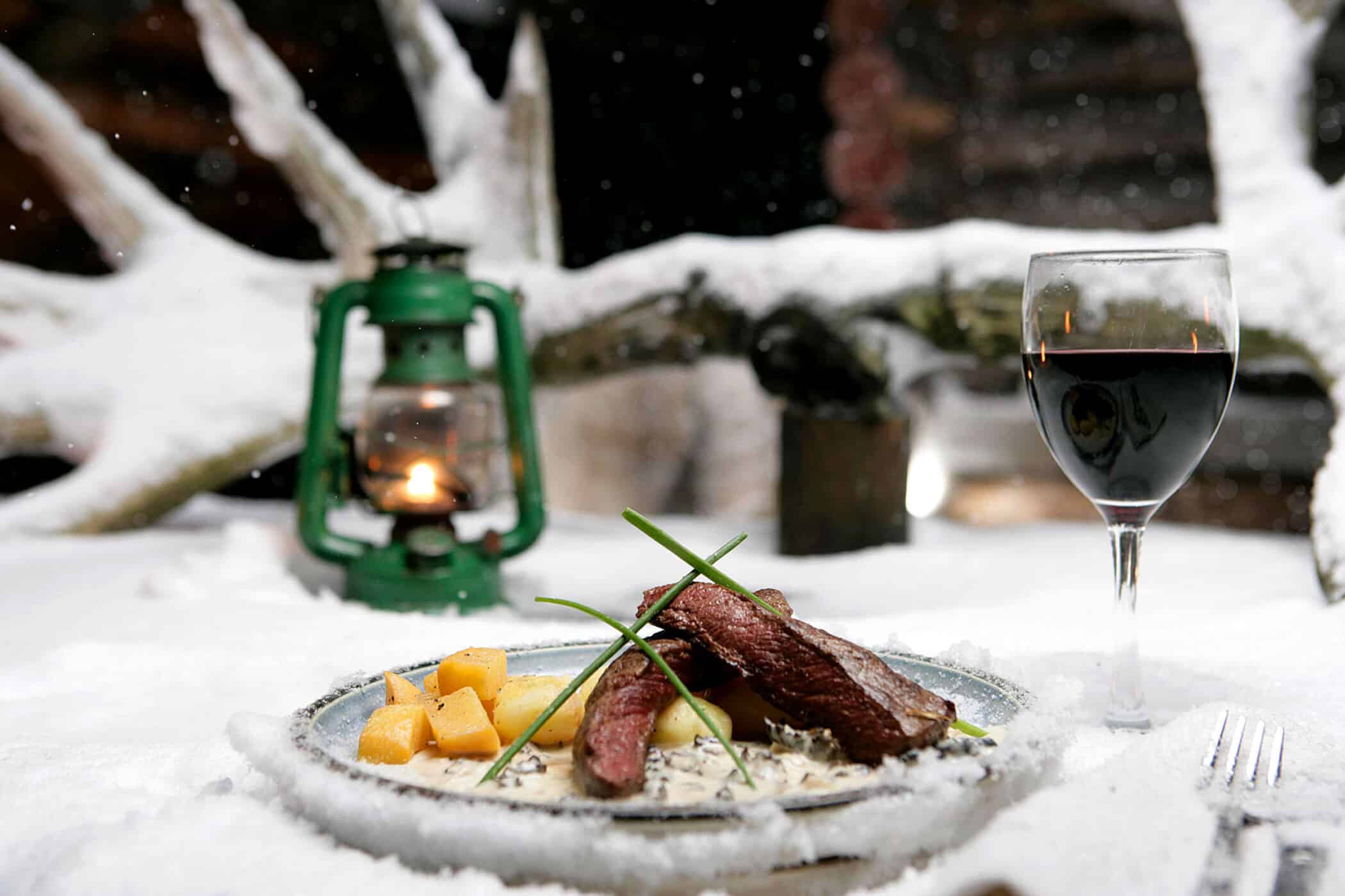



Seasonal ingredients play a fundamental role in Nordic menu planning, where extreme weather conditions and dramatic seasonal shifts create unique opportunities and challenges for chefs. In northern Finland, restaurants must adapt to everything from midnight sun summers producing intense flavours to polar night winters requiring preserved and foraged foods. Understanding how Arctic growing conditions affect ingredient availability helps explain why Nordic cuisine emphasises preservation techniques and seasonal adaptation.
What makes Nordic seasonal ingredients different from other regions?
Nordic seasonal ingredients develop exceptional intensity due to extreme growing conditions found almost nowhere else in the world. The midnight sun period, lasting three weeks in the Ruka area, bathes plants in continuous light, concentrating sugars and creating remarkably flavourful berries, herbs, and vegetables.
Arctic growing conditions produce ingredients with unique characteristics. Cloudberries, lingonberries, and blueberries develop concentrated sweetness and vibrant colours during the intense summer growing season. Wild herbs like angelica and juniper absorb the pure Arctic air, creating distinctive flavour profiles that define authentic northern cuisine.
Arctic growing season intensity
The compressed growing season forces plants to concentrate their energy rapidly. Summer temperatures can reach comfortable levels whilst maintaining the cool nights that preserve delicate flavours. This combination creates ingredients with exceptional nutritional density and taste complexity.
Winter’s polar night period doesn’t halt ingredient availability entirely. Traditional preservation methods like smoking, drying, and fermentation transform summer’s abundance into winter sustenance, creating entirely new flavour profiles that have defined Arctic culinary traditions for generations.
How do restaurants plan menus around Lapland’s extreme seasons?
Seasonal menu planning in northern Finland requires restaurants to completely restructure their offerings four times a year. Summer menus showcase fresh berries, wild herbs, and river fish, whilst winter menus rely heavily on preserved ingredients, root vegetables, and game meats.
Successful Nordic restaurants develop preservation strategies during peak seasons. They smoke fish during summer runs, dry mushrooms during the autumn foraging season, and preserve berries for winter desserts. This forward-thinking approach ensures authentic local flavours year-round.
Summer abundance strategies
During the summer months, restaurants focus on the immediate use of delicate ingredients like fresh chanterelles, new potatoes, and river trout. Menus change weekly to reflect what is currently at peak freshness, requiring flexible kitchen operations and creative daily specials.
Winter preservation techniques
Winter menus rely on time-honoured preservation methods. Smoked reindeer, pickled vegetables, and dried berries become menu staples. Restaurants often prepare these preserved ingredients during summer and autumn, creating a depth of flavour impossible to achieve with fresh ingredients alone.
What ingredients are available during different seasons in northern Finland?
Northern Finland’s seasonal ingredient availability follows dramatic patterns. Summer brings explosive abundance with wild berries, mushrooms, and fresh fish, whilst winter offers preserved foods, root vegetables, and game meats that provide hearty sustenance during harsh weather.
Spring ingredients (April–May)
- First wild herbs like nettle and dandelion greens
- Early river fish as the ice melts
- Birch syrup and fresh birch leaves
- Wild garlic and early mushrooms
Summer ingredients (June–August)
Summer delivers the year’s greatest variety. Wild berries reach peak ripeness, including cloudberries, blueberries, and lingonberries. Fresh river fish like grayling and trout provide protein, whilst wild herbs add complexity to dishes.
- Cloudberries, blueberries, lingonberries
- Fresh river trout and grayling
- Wild mushrooms including chanterelles
- Arctic herbs and edible flowers
Autumn ingredients (September–October)
Autumn focuses on preservation preparation. Mushroom foraging reaches its peak, root vegetables mature, and game hunting season begins. This season determines winter food security through careful preservation work.
Winter ingredients (November–March)
Winter menus rely on preserved ingredients and hardy storage vegetables. Smoked and dried fish, preserved berries, and fermented vegetables provide nutrition during the polar night period, when fresh ingredients become scarce.
Experience authentic Nordic cuisine at Tailored Adventures Rukapalvelu
We bring authentic Arctic culinary traditions to life through seasonal ingredient expertise developed over 35 years in the Ruka–Kuusamo region. Our Restaurant Zone showcases the true flavours of northern Finland, adapting menus to reflect the dramatic seasonal changes that define Arctic life.
Our culinary approach embraces the Far North philosophy – authentic northern experiences that connect you to the wilderness. We source cloudberries, lingonberries, and wild herbs directly from surrounding forests, whilst our chefs prepare traditional dishes like flame-grilled rainbow trout and spruce tip delicacies over open fires.
Seasonal dining experiences
At Wilderness Restaurant Kammi and Pohjanseita Wilderness Camp, we create dining experiences that change with the Arctic seasons. Summer menus feature fresh berries and river fish, whilst winter offerings highlight preserved ingredients and game prepared using traditional methods.
- Open-fire cooking using traditional Arctic techniques
- Seasonal menus featuring locally foraged ingredients
- Authentic northern dishes prepared by experienced chefs
- Wilderness dining experiences in pristine natural settings
Our commitment to seasonal cooking reflects deeper Arctic values – respecting natural rhythms, preserving traditional knowledge, and creating genuine connections between people and the northern wilderness. Each meal tells the story of seasonal adaptation that has sustained northern communities for generations.
Ready to taste authentic Arctic flavours? Contact us to discover how our seasonal dining experiences can become part of your northern adventure, where every dish connects you to the wild beauty and ancient culinary wisdom of the Far North.