


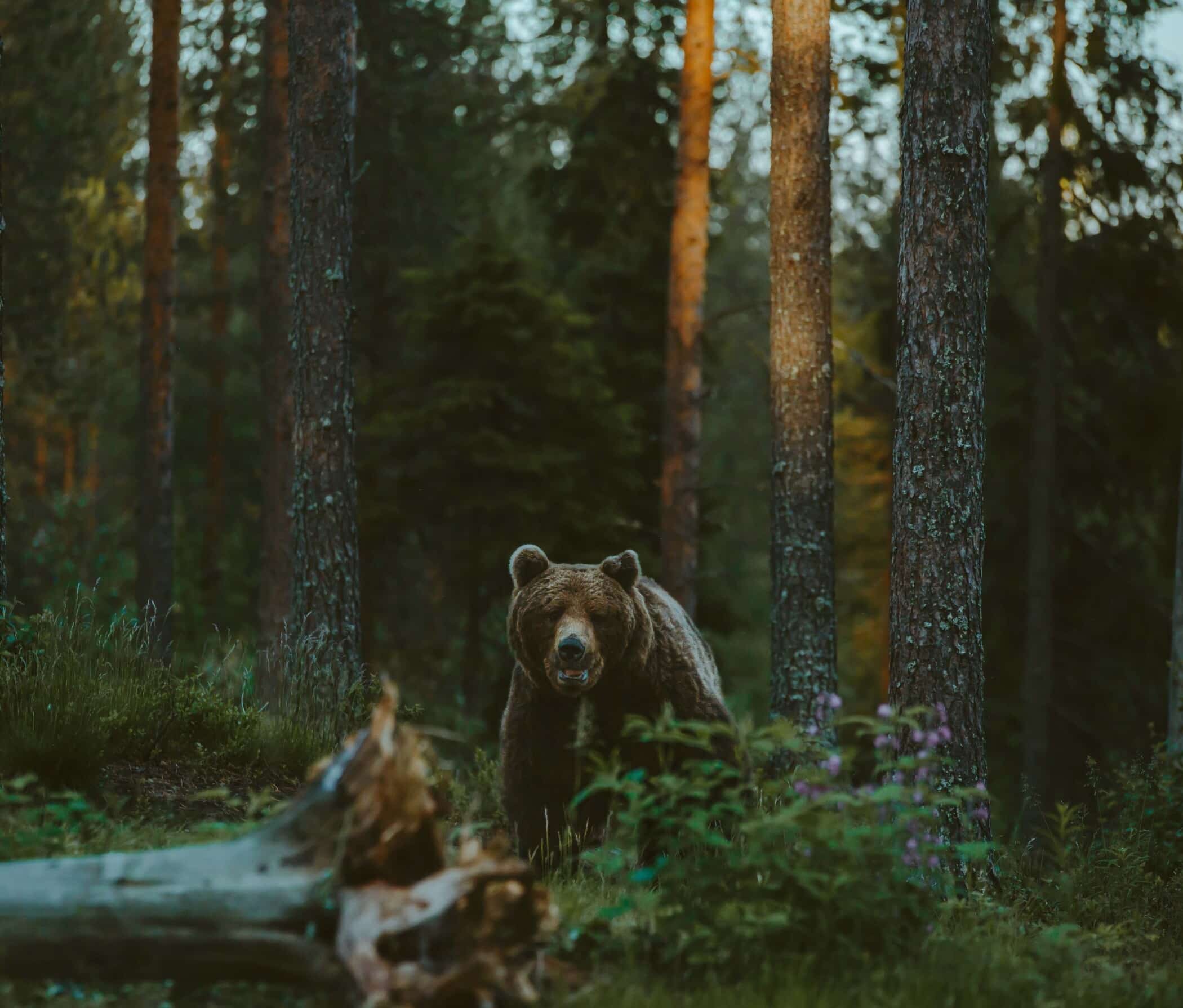



Finnish forest legends represent some of Europe’s oldest and most enduring mythological traditions, featuring powerful woodland deities like Tapio, Mielikki, and Hiisi, who governed ancient Finnish spiritual life. These legends shaped how people interacted with nature for thousands of years and continue to influence modern Finnish culture, literature, and environmental attitudes.
What are the most famous forest spirits in Finnish mythology?
The most famous forest spirits in Finnish mythology include Tapio (the forest god), Mielikki (the forest goddess), and Hiisi (a malevolent forest spirit), along with numerous other woodland beings who controlled different aspects of forest life. These spirits formed a complex hierarchy that governed hunting, gathering, and other human interactions with the wilderness.
Tapio is the supreme ruler of Finnish forests, often depicted as a bearded man wearing a moss-green coat and a hat made of fir branches. He controlled the fate of hunters and determined whether they would return home with game or empty-handed. His domain extended over all woodland creatures, and he could either grant safe passage through the forest or lead travellers astray.
Mielikki, Tapio’s wife, is a benevolent forest goddess who protects both animals and humans. She is said to watch over berry pickers and mushroom gatherers in particular, guiding them to the best spots while keeping them safe from harm. Finnish folklore describes her as beautiful and kind-hearted, often helping lost children find their way home.
Hiisi represents the darker aspects of forest mythology: a dangerous spirit associated with rocky hills, deep forests, and treacherous places. Unlike Tapio and Mielikki, Hiisi can be unpredictable and potentially harmful, embodying the forest’s capacity for both creation and destruction.
Other significant woodland beings
Beyond the main deities, Finnish forest mythology includes numerous other spirits:
- Tapio’s daughters – Tuulikki, Nyyrikki, and others who assisted their parents in managing the forest
- Metsänhaltija – forest guardians who protected specific groves or areas
- Liekkiö – flame spirits that appeared as dancing lights in the forest
- Peikko – troll-like creatures dwelling in caves and rocky outcrops
How did ancient Finns interact with forest spirits in daily life?
Ancient Finns maintained respectful relationships with forest spirits through elaborate rituals, offerings, and strict forest etiquette that governed every aspect of woodland life. They believed proper behaviour and ceremonial respect were essential for safe passage, successful hunting, and protection from supernatural harm.
Before entering the forest to hunt or gather, people would perform specific rituals to gain permission from Tapio and other forest spirits. These ceremonies often involved leaving offerings of bread, butter, or coins at sacred sites such as ancient trees or unusual rock formations. Hunters would speak directly to Tapio, asking for his blessing and promising to take only what they needed.
These traditions extended beyond simple offerings. Ancient Finns followed strict codes of conduct while in the forest: they avoided making unnecessary noise, never cut down trees without reason, and always thanked the forest spirits for any game or berries they collected. Breaking these rules could result in becoming lost, encountering dangerous animals, or suffering other supernatural punishments.
Hunting traditions and forest etiquette
Hunting required the most elaborate rituals, as it involved taking life under Tapio’s protection. Successful hunters would:
- Perform purification ceremonies before departing
- Use respectful language when discussing their intentions
- Leave the first portion of any kill as an offering to the forest spirits
- Properly honour the spirit of slain animals through specific burial practices
This respectful relationship with forest beings wasn’t merely superstition; it reflected a sophisticated environmental philosophy that promoted sustainable use of natural resources and maintained ecological balance through cultural practices.
What stories and legends surround the Finnish forest god Tapio?
Tapio appears in countless Finnish legends as the master of the forests, controlling hunting success, protecting woodland creatures, and guiding or misleading humans depending on their behaviour and respect for nature. The most famous stories describe his magnificent forest hall, his divine family, and his interactions with both respectful hunters and those who violated forest laws.
One of the most beloved legends tells of Tapio’s great hall, Metsola, hidden deep within the forest, where no ordinary person could find it. This magnificent dwelling, built from living trees with walls of green moss and a roof of interwoven branches, served as the centre of forest governance. Here, Tapio held court with his wife, Mielikki, and their daughters, making decisions about the fate of all woodland creatures and the humans who entered their domain.
The stories often emphasise Tapio’s role as a fair but demanding ruler. Tales describe how he would test hunters’ character by appearing as an ordinary woodsman and observing their behaviour. Those who showed kindness, shared their food, or helped others would later find their hunting blessed with success. However, greedy or disrespectful hunters might find themselves hopelessly lost or facing empty traps and nets.
Tapio’s family and their roles
Finnish folklore presents Tapio’s family as a complete forest management system:
- Mielikki – managed berry patches and protected small animals
- Tuulikki – controlled the winds and weather within forests
- Nyyrikki – supervised squirrels and other tree-dwelling creatures
- Tellervo – watched over the forest’s musical and artistic aspects
These legends served practical purposes in ancient Finnish society, teaching proper forest behaviour while explaining natural phenomena such as sudden weather changes, animal behaviour, and the success or failure of hunting expeditions.
Why do these ancient forest legends still matter in modern Finland?
Finnish forest mythology continues to influence contemporary Finnish culture, environmental policy, literature, and the national relationship with nature, providing a foundation for modern environmental consciousness and sustainable forestry practices. These ancient beliefs have evolved into a cultural framework that shapes how Finns understand their connection to the natural world.
Modern Finnish environmental attitudes reflect the respectful relationship with nature embedded in these ancient stories. The concept of “everyman’s right” (jokamiehenoikeus), which allows public access to forests while requiring responsible behaviour, echoes the traditional forest etiquette demanded by Tapio and other woodland spirits. This legal framework demonstrates how mythological principles have been translated into practical environmental policy.
Finnish literature, art, and music continue to draw inspiration from forest mythology. Authors like Elias Lönnrot, who compiled the Kalevala from traditional Finnish oral poetry, helped preserve these stories for future generations. Contemporary writers, filmmakers, and artists regularly reference forest spirits in their work, keeping these ancient narratives alive in modern cultural expression.
Environmental consciousness and forest management
Finland’s reputation for sustainable forestry practices reflects values rooted in ancient forest mythology:
- Respectful harvesting that maintains forest health
- Recognition of forests as living ecosystems rather than mere resources
- Integration of traditional ecological knowledge with modern science
- Cultural emphasis on long-term thinking about forest management
These mythological foundations help explain why Finland consistently ranks among the world’s most environmentally conscious nations, with forest policies that balance economic needs with ecological preservation.
Experience authentic Finnish forest traditions at Rukapalvelu wilderness camps
At Tailored Adventures Rukapalvelu, we bring these ancient forest legends to life through authentic wilderness experiences in the heart of Kuusamo’s pristine forests. Our wilderness camps, including the mystical Kammi underground restaurant and the Pohjanseita Forest Spa, offer you the chance to connect with Finland’s mythological heritage while enjoying modern comfort and exceptional hospitality.
Our wilderness camps provide unique settings where you can experience the magic that inspired Finnish forest mythology:
- Kammi Wilderness Restaurant – dine in an underground hall lit by hundreds of candles against bare bedrock walls
- Pohjanseita Forest Spa – experience three traditional saunas, including an authentic smoke sauna
- Daza Wilderness Camp – enjoy panoramic forest views perfect for Northern Lights watching
- Forest dining experiences – taste local ingredients that connect you to ancient foraging traditions
Our Farnorth concept embodies the essence of these ancient stories: “Closer than you think, wilder than you imagined.” Here in the Ruka-Kuusamo region, where traditional rune singers like Marina Takalo once preserved these forest legends through song, you can step into landscapes that have inspired thousands of years of mythology and folklore at our Pohjantähti Summer Lodge.
Whether you’re seeking a romantic dinner in our underground wilderness restaurant, a soulful sauna experience, or a complete forest retreat at our Pohjanseita Wilderness Camp, we create tailored adventures that honour the ancient relationship between humans and the Finnish forest. Contact us today to discover how these timeless legends come alive through authentic wilderness experiences.