


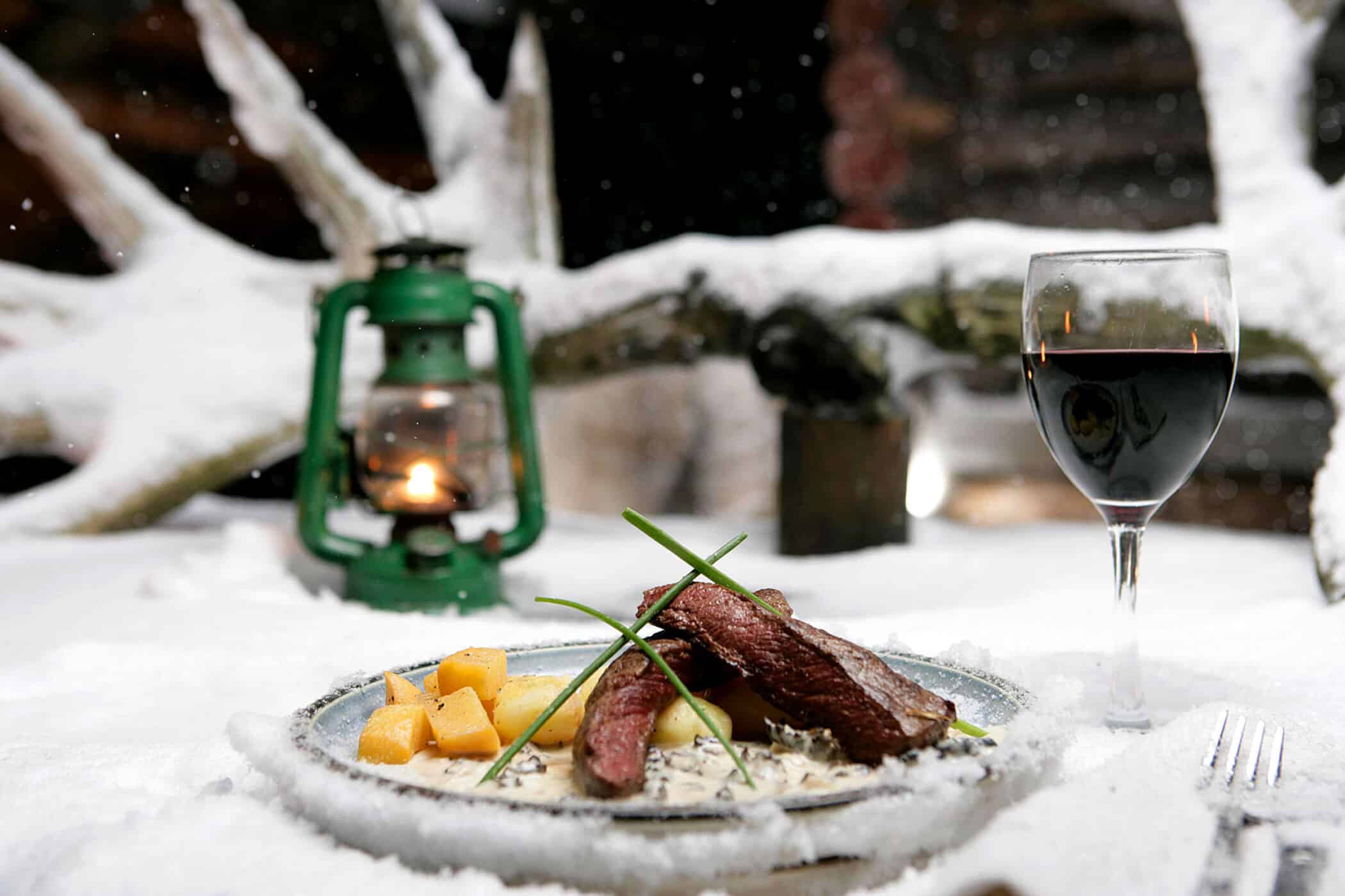



Authentic Lapland cooking draws from the Arctic’s harsh climate and seasonal rhythms, featuring ingredients like reindeer meat, cloudberries, and foraged mushrooms that have sustained northern communities for centuries. These traditional Finnish ingredients reflect the region’s unique geography and cultural heritage, creating a distinct culinary tradition unlike southern Finnish cuisine. This cuisine emphasizes preservation methods, wild game, and nature’s seasonal offerings that define northern Finland’s food culture.
What makes Lapland cooking different from other Finnish cuisine?
Lapland cooking stands apart from southern Finnish cuisine through its reliance on Arctic preservation methods and extreme seasonal availability. The region’s harsh climate and geographical isolation shaped a culinary tradition focused on smoking, drying, and salt-curing to survive long winters when fresh ingredients were scarce.
Traditional northern culture profoundly influenced authentic Lapland cooking techniques. Traditional methods include smoking fish over juniper wood, air-drying reindeer meat in cold Arctic winds, and fermenting cloudberries for winter sustenance. These preservation techniques developed from necessity but created distinctive flavours that define northern Finnish cuisine today.
Unlike southern Finnish cooking, which benefits from longer growing seasons and agricultural diversity, Lapland cuisine depends heavily on what nature provides. The midnight sun creates intense growing periods for berries and herbs, while the polar night demands preserved foods. These seasonal extremes created a food culture where every ingredient serves multiple purposes and nothing goes to waste.
Traditional preservation techniques
Arctic herbs like Labrador tea and angelica grow wild across Lapland’s tundra, adding unique flavours impossible to replicate elsewhere. These ingredients, combined with traditional smoking and curing methods, create the distinctive taste profile that separates authentic Lapland cooking from other regional Finnish cuisines.
Which meats and proteins define authentic Lapland dishes?
Reindeer meat serves as the cornerstone protein in traditional Lapland recipes, providing essential nutrients during harsh Arctic winters. Wild game, including elk, ptarmigan, and various fish species like Arctic char and salmon, completes the protein foundation of authentic northern Finnish cuisine.
Reindeer holds deep cultural significance beyond nutrition. Northern communities developed countless preparation methods, from thin-sliced dried meat called “suovas” to rich stews simmered with root vegetables. Every part of the animal provides sustenance—blood for sausages, bones for marrow, and organs for nutrient-dense dishes during the darkest winter months.
Arctic fish varieties offer year-round protein sources through ice fishing and summer netting. Salmon, Arctic char, grayling, and whitefish each require specific preparation methods. Cold-smoking preserves fish through winter, while fresh preparations celebrate the brief summer abundance when rivers run free from ice.
Game birds and seasonal proteins
Ptarmigan, grouse, and other game birds provide seasonal protein variety. These birds adapt to Arctic conditions, developing rich, dense meat that traditional Lapland recipes showcase through simple roasting or inclusion in hearty stews with foraged mushrooms and preserved berries.
Traditional fishing methods include ice fishing during winter months and net fishing during the brief summer season. Each technique yields different fish varieties, creating seasonal menus that reflect nature’s availability rather than the year-round consistency found in southern regions.
What wild ingredients do Lapland cooks forage from nature?
Cloudberries, lingonberries, and bilberries form the foundation of Lapland’s foraged ingredients, providing essential vitamins during long Arctic winters. Finnish mushrooms like chanterelles and milk caps, along with Arctic herbs such as Labrador tea and juniper, complete the wild pantry that defines traditional Lapland recipes.
Cloudberries, known locally as “lakka,” grow in boggy areas across Lapland’s wilderness. These golden berries ripen during the brief Arctic summer, providing vitamin C crucial for winter health. Traditional preservation involves making jams, wines, and dried preparations that last through the polar night months.
Lingonberries and bilberries grow abundantly in Lapland’s forests, creating natural preserves through their high acid content. These berries accompany reindeer dishes, provide natural sweetness to traditional breads, and create vitamin-rich drinks that sustained northern communities through harsh winters.
Wild mushrooms and Arctic herbs
Chanterelles, milk caps, and other Finnish mushrooms flourish during Lapland’s short but intense growing season. Traditional preservation methods include drying, salt-curing, and creating mushroom powders that add umami depth to winter stews and reindeer preparations.
Arctic herbs like Labrador tea, angelica, and wild chives provide flavouring and medicinal benefits. Juniper berries season game meats while providing natural preservation properties. These ingredients create the distinctive flavour profiles that separate authentic Lapland cooking from other culinary traditions.
Experience authentic Lapland cuisine with Tailored Adventures Rukapalvelu
We bring authentic Arctic flavours to life through traditional cooking methods and locally sourced ingredients at Restaurant Zone, where fresh seasonal menus showcase the true taste of northern Finnish cuisine using wild foods from our surrounding forests and waters.
Our culinary experiences highlight traditional Lapland ingredients through open-fire cooking in pristine wilderness settings. We source regional fish, game, berries, wild herbs, and reindeer meat to create memorable dining experiences that connect you with authentic northern food culture. Our seasonally changing menus focus on fresh local ingredients, often organic, reflecting the natural rhythms of the Arctic.
The Farnorth concept embodies our approach to authentic Arctic living—where traditional flavours meet the raw beauty of the northern wilderness. This philosophy guides our restaurant services, from wilderness dining experiences at Kammi and Pohjanseita to the relaxed atmosphere at Restaurant Zone in Ruka’s centre.
Traditional cooking experiences
Our wilderness dining experiences include:
- Open-fire cooking using traditional Lapland methods
- Foraged ingredients from local forests and waterways
- Seasonal menus featuring reindeer, game, and Arctic fish
- Traditional preservation techniques demonstrated by expert guides
Whether you’re seeking fine dining or authentic campfire meals, our restaurants provide complete Arctic culinary experiences. From flame-grilled rainbow trout to traditional reindeer preparations, we celebrate the connection between people, nature, and authentic Arctic living.
Ready to taste authentic Lapland cuisine? Contact us to discover how our culinary experiences can transport you into the heart of traditional northern food culture, where every meal tells the story of Arctic survival and seasonal abundance.