





Sustainable Arctic incentive travel combines environmental responsibility with corporate team building in pristine northern destinations. It focuses on minimising ecological impact while supporting local communities and providing authentic cultural experiences. This approach ensures corporate groups can enjoy memorable Arctic adventures without compromising the delicate ecosystems they visit, creating meaningful business travel that aligns with modern environmental values.
What does sustainable Arctic incentive travel actually mean?
Sustainable Arctic incentive travel refers to corporate reward programmes and team-building activities in Arctic regions that prioritise environmental protection, cultural authenticity, and local community benefit. Unlike traditional corporate travel, this approach considers the long-term impact on fragile Arctic ecosystems and local communities.
The concept encompasses three main principles. Environmental responsibility means choosing activities and accommodations that minimise carbon footprints and protect wildlife habitats. Cultural authenticity involves engaging with genuine local traditions rather than commercialised experiences. Community impact focuses on ensuring tourism benefits local residents through employment, local sourcing, and cultural exchange.
For corporate incentive programmes, sustainability adds meaningful purpose to reward travel. Teams participate in activities that connect them with nature while learning about environmental stewardship. This creates deeper engagement than conventional corporate trips, as participants understand their role in preserving these remarkable destinations for future generations.
How do you reduce environmental impact during Arctic corporate trips?
Reducing environmental impact during Arctic corporate trips requires careful planning of transportation, accommodation, and activities. The most significant impact reduction comes from choosing direct flights, selecting eco-friendly accommodations, and participating in low-impact activities that respect Arctic animals and landscapes.
Transportation represents the largest carbon footprint component. Choose direct flights when possible and consider carbon offset programmes. Once in the Arctic, prioritise local transportation options and group activities to reduce individual vehicle usage. Many sustainable operators offer shared transfers and group excursions that significantly reduce per-person emissions.
Accommodation selection makes a substantial difference. Look for properties with renewable energy systems, waste reduction programmes, and local sourcing policies. Many Arctic accommodations now use geothermal heating, solar power, and advanced insulation to minimise energy consumption while maintaining comfort standards.
Activity planning should emphasise observation over interaction with Arctic animals. Choose wildlife viewing experiences that maintain respectful distances and follow established guidelines. Avoid activities that disturb natural habitats or require excessive motorised transport across sensitive terrain.
What makes Arctic accommodations and activities truly sustainable?
Truly sustainable Arctic accommodations and activities demonstrate measurable environmental practices, authentic cultural integration, and tangible community benefits. Look for properties with renewable energy systems, local staff employment, and partnerships with local communities that share traditional knowledge respectfully.
Sustainable accommodations typically feature energy-efficient heating systems designed for Arctic conditions, waste reduction programmes, and locally sourced food options. Many use geothermal energy or solar power supplemented by efficient backup systems. Water conservation measures are particularly important in Arctic regions where resources may be limited.
Key sustainability indicators
Authentic sustainable activities focus on education and observation rather than consumption. River floating, guided nature walks, and cultural workshops with local artisans provide meaningful experiences without environmental disruption. These activities often include learning about traditional Arctic lifestyles and conservation efforts.
Local sourcing extends beyond food to include guides, equipment, and services. Sustainable operators employ local guides who share genuine knowledge about their region’s ecology and culture. This approach ensures tourism revenue supports the community while providing visitors with authentic insights into Arctic life.
How do you plan sustainable group activities in Arctic destinations?
Planning sustainable group activities in Arctic destinations requires balancing group dynamics with environmental limits. Start by determining appropriate group sizes for each activity, selecting experienced local guides, and choosing seasonal timing that minimises ecological disruption while maximising opportunities to witness natural phenomena.
Group size management is fundamental to sustainable Arctic experiences. Smaller groups create less environmental impact and allow for more personalised guidance. Many sustainable activities work best with 8–12 participants, enabling meaningful interaction with guides while maintaining a manageable environmental footprint.
Seasonal considerations affect both sustainability and experience quality. Winter activities like aurora viewing and snowshoeing have different environmental impacts than summer hiking and river activities. Learn more about sustainable tourism practices that respect natural cycles and wildlife patterns.
Activity selection process
Choose activities that complement rather than compete with natural rhythms. Wildlife observation works best during natural feeding or migration periods. Cultural experiences should align with community schedules and traditional practices rather than demanding artificial demonstrations.
Local guide selection ensures authentic experiences while supporting community employment. Experienced local guides understand seasonal variations, weather patterns, and wildlife behaviour. They can adapt activities based on real-time conditions while maintaining safety and environmental standards.
Sustainable Arctic adventures with Tailored Adventures Rukapalvelu
We specialise in creating sustainable Arctic incentive experiences that combine environmental responsibility with unforgettable corporate adventures in the pristine Ruka–Kuusamo region. Our three decades of local expertise enable us to design programmes that protect the wilderness while delivering meaningful team-building and reward experiences.
Our commitment to sustainable tourism shapes every aspect of our operations. From our energy-efficient Hotel Arctic Zone to our locally sourced Restaurant Zone menus, we demonstrate that comfort and sustainability work together. We employ local guides, source equipment regionally, and design activities that educate participants about Arctic conservation.
Our sustainable services include:
- Energy-efficient accommodations with modern comfort standards
- Locally guided activities that support community employment
- Seasonal activity programmes that respect natural cycles
- Restaurant services featuring regional ingredients and traditional preparations
- Educational components that connect participants with Arctic conservation efforts
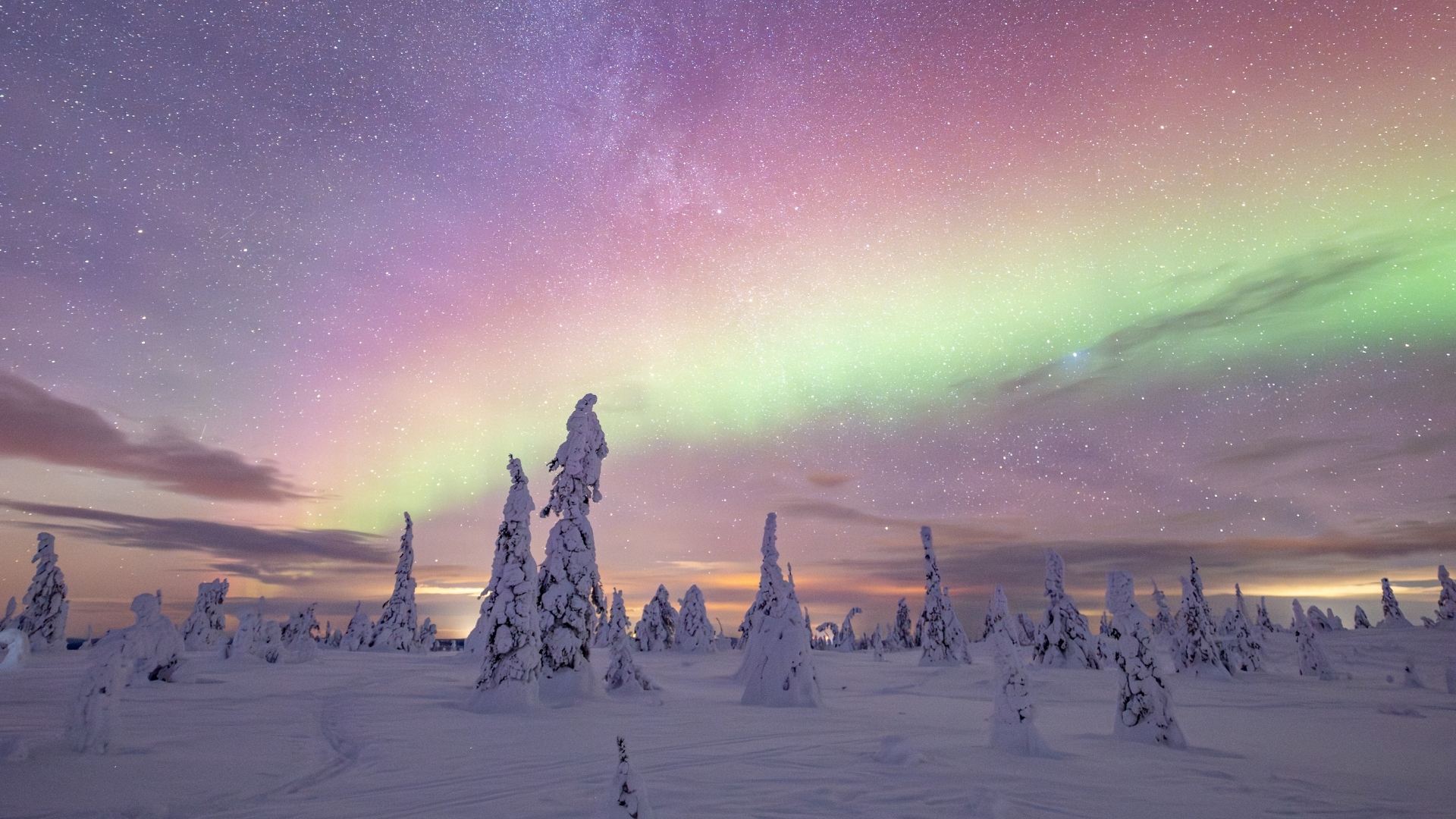
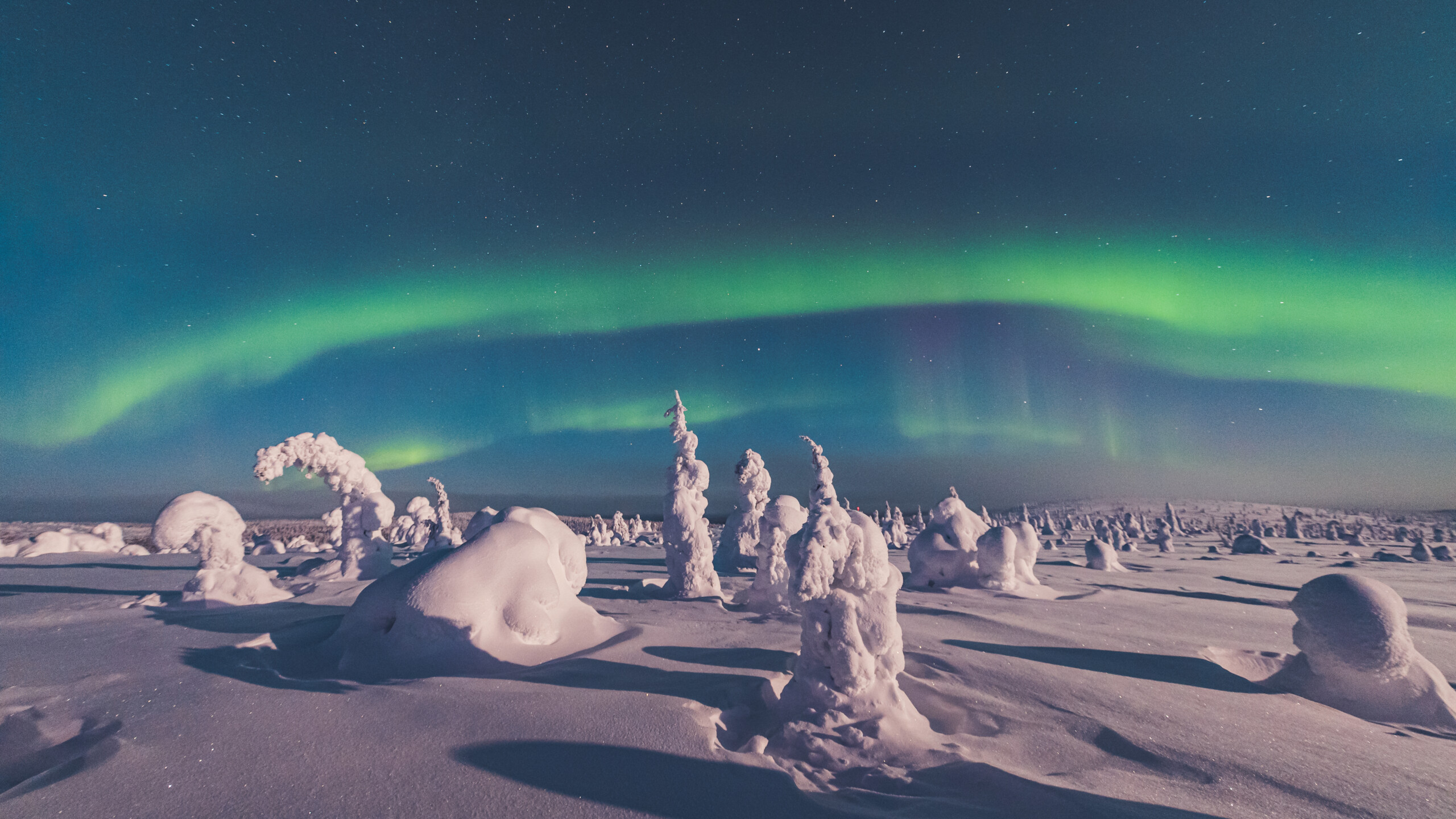
Our Farnorth philosophy embodies authentic Arctic experiences that preserve the wilderness character while creating lasting memories. We believe the most meaningful corporate adventures happen when teams connect with genuine Arctic life: experiencing the silence of snow-covered forests, witnessing the aurora dance across clear skies, and understanding the delicate balance of northern ecosystems.
Whether your group seeks adventure through river floating and snowmobiling or prefers contemplative experiences like aurora viewing and nature walks, we create customised programmes that align with your sustainability goals. Discover how we can help design your sustainable Arctic incentive experience that combines corporate objectives with environmental stewardship.